On 28 July 2026 the Minister for Primary Industries announced new Queensland drought declarations and the reinstatement of Drought Carry-on Finance Loans and Emergency Drought Assistance Loans for eligible Queensland primary producers. Full details of these loans will be available once administrative arrangements are finalised. Please monitor QRIDA’s website and social media channels for more information about when these loans will open to application and how to apply.
Page title
Central Queensland graziers pivot to premium Wagyu feedlot with QRIDA
Page title
Central Queensland graziers pivot to premium Wagyu feedlot with QRIDA
Image and text
Text
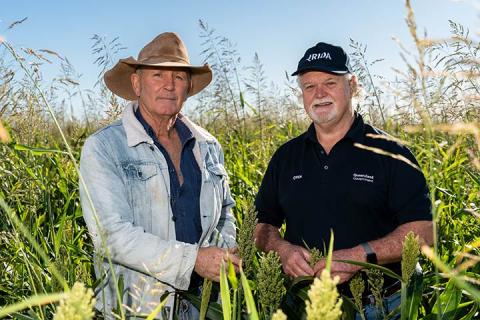
Proactively investing in drought preparedness infrastructure has helped Central Queensland graziers Brendon and Theresa Curr not only safeguard their business against future droughts but also strengthened the efficiency and resilience of their operation.
Brendon and Theresa Curr
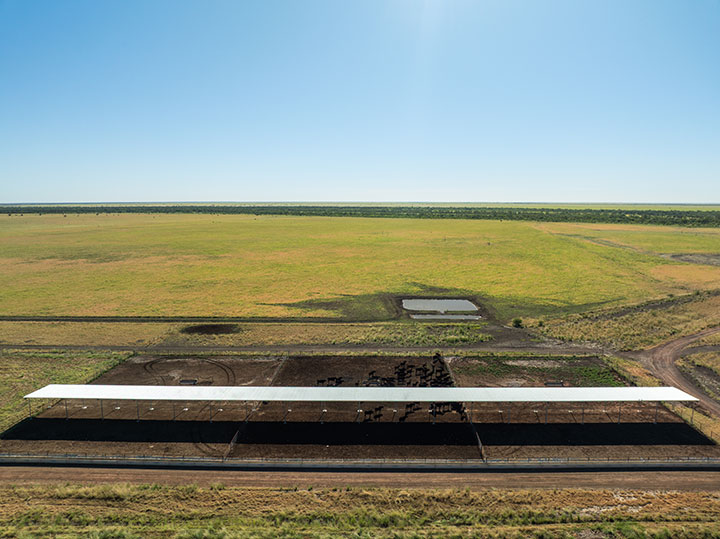 Eight years ago the farming family endured three rounds of droving to destock their property, ‘Glenample,’ 15-kilometres west of Aramac and were feeding molasses to their remaining breeders daily to survive the drought.
Now, they have turned their Wagyu operation into a short-fed 200-day feed lotting and fodder growing business.
“That was probably the biggest lesson learnt, was to try and have a system in place that could handle a dry season,” Brendon recalls.
The Currs received a Drought Preparedness Grant and Sustainability Loan from the Queensland Rural and Industry Development Authority (QRIDA) to purchase a centre pivot irrigator, construct a hay shed and build feed yards and bunkers.
“We received a Drought Preparedness Grant, which we used for purchasing and then constructing the hay shed.
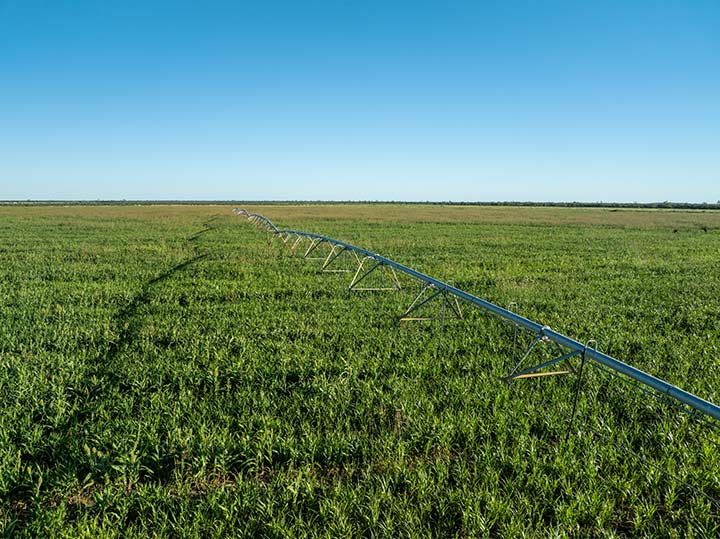 “We received a Sustainability Loan for the pivot, piping, feed yards, and a lot of road base,” Theresa said.
While these on-farm improvements will help sustain the Curr’s business through drought, they have also taken a strategic approach to improving the overall grazing operation.
“We run and breed Wagyu cattle on a place called ‘Hardington’ west of here. We have incorporated a feedlot into our current operation and are now taking those Wagyu through on a short-fed 200-day program.
“Having a feedlot operation that’s fed by irrigation, it allows us to contain a lot of cattle in a small area to feed them, so we’re not putting so much grazing pressure on the property,” Brendon explained.
With these new systems in place, the Currs can spend less time worrying about cashflow and focus more on the future of their business.
“The worry about cashflow and being able to turn that year’s cattle off is gone, which is a big part of our business,” Brendon said.
Theresa encouraged producers to reach out to their local QRIDA Regional Area Manager for one-on-one help with understanding the financial assistance available to support their business.
QRIDA’s Regional Area Manager for the Central Highlands and West, Bradley Whittington, visited Brendon and Theresa on-farm and was able to step them through the application process.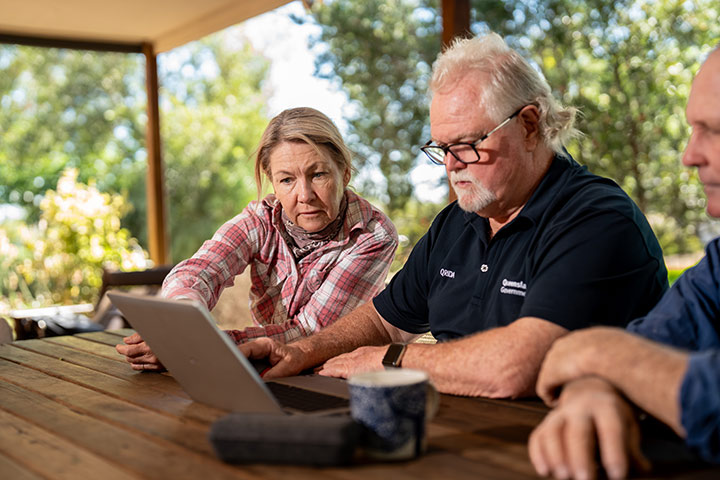
“We met Brad at the Westech Field Days close to 10 years ago. I found Brad approachable, and he just understood farm talk. He understood what we were trying to do with cropping and with weight gains.
“It is quite scary to do your three-to-five-year forecast. Get help. Contact your Regional Area Manager, they will go through it step by step,” Theresa said.
To find out how Queensland primary producers can get ready for drought with QRIDA, visit QRIDA's Drought Preparedness Grants page and Sustainability Loans page or call 1800 623 946 to speak with a QRIDA Regional Area Manager.
If this drought story raised any concerns for you, call 000 in an emergency or visit QRIDA's mental health resources webpage for a list of confidential mental health resources available for Queensland primary producers.
Client story